BuyingApril 12, 2026· 2 min
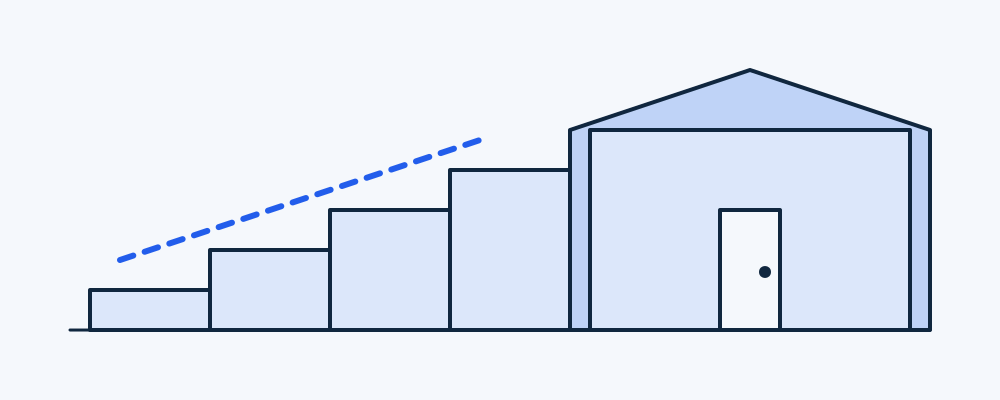
How much house can you actually afford?
Affordability is not what an online calculator tells you. It is what your monthly cash flow can absorb without breaking the rest of your life.
Read articleTry: Affordability
Down payment assistance is real, but it is not a magic shortcut. The programs that work best are the ones used as part of a complete plan: a strong loan file, a realistic budget, and a property that fits the program rules.
There are four common shapes that down payment help takes: grants you do not pay back, second-mortgage loans that may be deferred or forgivable, employer assistance, and gift funds from a family member. Each comes with its own rules about who qualifies, what the funds can be used for, and how the help affects your loan pricing.
Closing-cost assistance is sometimes bundled with down payment help. Both reduce the cash you need at the closing table.
State housing finance agencies publish updated lists of programs, income limits, and approved lenders. Ask specifically about the state housing finance agency in your state and any city or county programs in your target area. Eligibility usually depends on your income, household size, and the purchase price.
Wherever you live, you can use every educational resource on this site. With your permission, a licensed loan officer may follow up if our network can serve your state. An introduction to another lender requires a separate request and is not guaranteed.
Most assistance programs require homebuyer education, have income caps, and limit which property types qualify. Forgivable second mortgages often require you to stay in the home for a set number of years. Pricing on the first mortgage can also be slightly different when assistance is layered in. Run the full math, not just the upfront benefit.
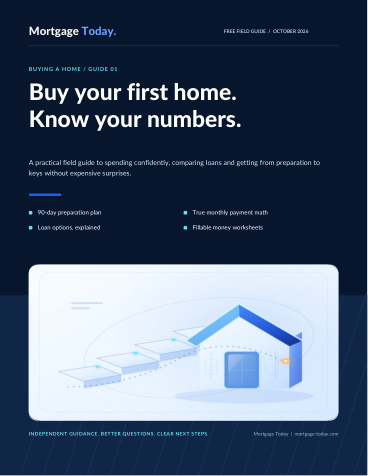
A practical checklist with true monthly-payment math, loan choices, cash-to-close planning and a fillable buying worksheet.
Free fillable PDF. No email or signup required. Educational information, not a loan offer or personalized advice.
Affordability is not what an online calculator tells you. It is what your monthly cash flow can absorb without breaking the rest of your life.
What is different about buying in Texas, what you should know before you start, and how to set yourself up for a clean closing.
Optional and free mortgage education by email for buyers and homeowners. No account required. Unsubscribe anytime.